If you have spent any part of the last year buried in email threads, scattered attachments, and forgotten shared folders while trying to close a deal, you already understand the problem a digital sales room solves.
What Is a Digital Sales Room?
A digital sales room, often shortened to DSR, is a secure, branded online space where sellers and buyers come together during a deal. Instead of spreading proposals, pricing sheets, case studies, contracts, and follow up emails across a dozen tools, everything lives in one persistent hub that both sides can access at any time.
Gartner has called out DSRs one of the more critical software investments for sales leaders, and the shift makes sense. A large share of B2B buying now happens without a rep in the room. Buyers research, compare, and build internal consensus largely on their own, so the seller’s job becomes less about presenting and more about equipping. A DSR gives buyers a self serve space to revisit content, loop in stakeholders, and move toward a decision, even when nobody is on a call.
Why Digital Sales Rooms Matter in 2026
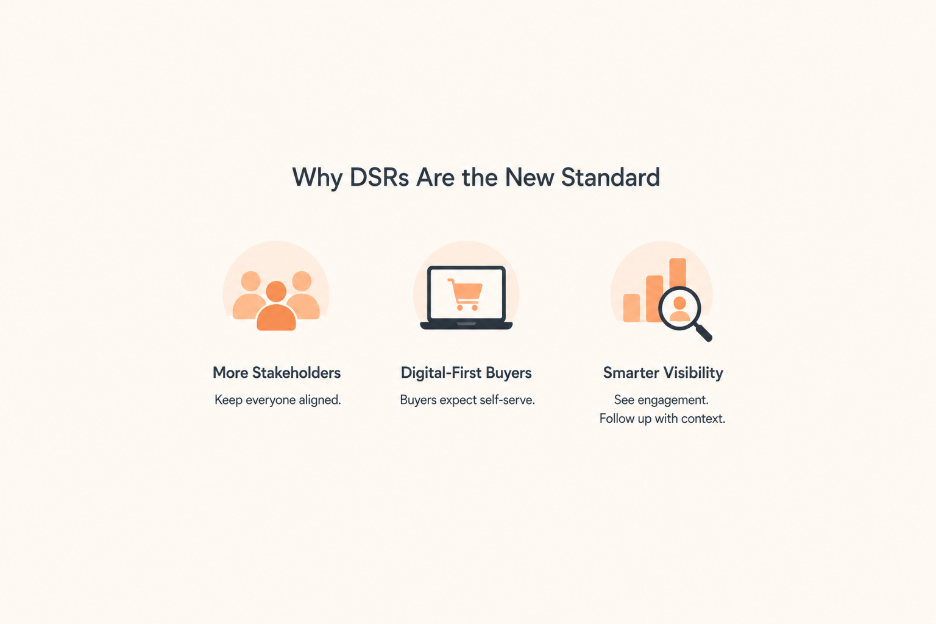
- Buying committees have grown: Enterprise deals now often involve six or more stakeholders, many of whom never speak directly with a sales rep. A shared room gives every stakeholder access to the same information, so nothing gets lost when a deal gets passed internally.
- Digital first buying is the norm: Buyers expect a smooth, self guided experience similar to consumer shopping. A cluttered email chain feels outdated next to a clean, organized workspace.
- Sales teams need visibility into buyer behavior: Traditional email gives almost no signal about who is engaging with a proposal. A DSR shows which stakeholders opened which documents, how long they spent pricing, and where they dropped off, which lets reps follow up with actual context instead of guessing.
Deal cycles are getting longer and more complex. Mutual action plans built into a DSR keep both sides accountable to a shared timeline instead of relying on memory or scattered calendar invites.
Core Benefits of a Digital Sales Room
- A single source of truth. Proposals, contracts, videos, and case studies live in one place instead of scattered across email and file sharing tools.
- Engagement analytics. Reps see who viewed what and for how long, which turns follow up from guesswork into an informed conversation.
- Faster internal buy in. Buyers can share the room internally so champions have everything they need to sell the deal to their own leadership.
- Mutual action plans. A shared timeline of milestones keeps both sides aligned on next steps and reduces stalled deals.
- Personalization at scale. Content can be tailored to a specific account or stakeholder without rebuilding a deck from scratch every time.
- Shorter sales cycles. Centralizing communication and content removes the friction that usually stretches deals out for weeks longer than necessary.
Getting these benefits in practice depends on how the room is set up and maintained, which is covered in the best practices below.
Best Practices for Using a Digital Sales Room
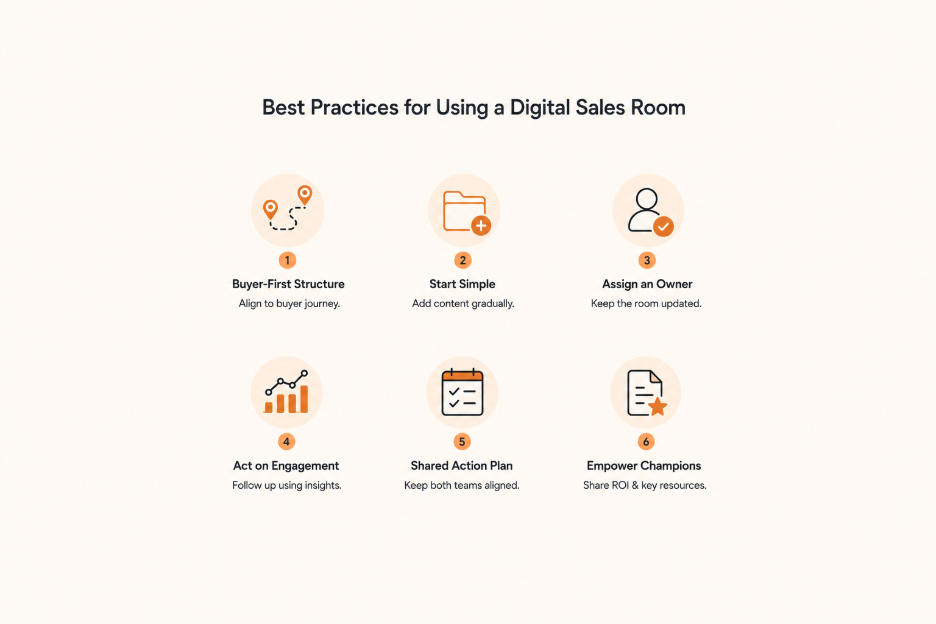
- Build the room around the buyer’s journey, not your internal process. Structure content by the questions a buyer has at each stage, rather than mirroring your own sales stages.
- Keep it lightweight first. A room stuffed with every asset in your library overwhelms buyers. Start with the essentials and add content as the deal progresses.
- Assign an owner internally. Someone needs to keep the room current as the deal moves forward. A stale room with outdated pricing does more harm than no room at all.
- Use engagement data as a trigger, not just a report. If a stakeholder has not opened the room in a week, that is a cue to check in. If they just viewed the pricing page three times, that is a cue to address concerns directly.
- Make the mutual action plan visible to both sides. Buyers are more likely to hit deadlines they helped set and can see clearly, rather than ones a rep tracks privately in a CRM.
- Keep the buyer’s internal champion equipped. Add a short internal pitch summary or ROI one pager the champion can forward without needing to explain the deal from scratch.
Top 5 DSR Platforms in 2026
The market has matured quickly, and platforms now split clearly into fast, simple point solutions and larger enterprise suites with content and coaching built in. Each of the five below delivers on the core benefits covered above in a slightly different way, so match the platform to the workflow rather than the star rating alone.
1. Aligned
G2 rating: 4.7 out of 5
Key features:
- Buyer-facing AI deal workspace built around a single shared link
- Mutual action plans with shared timelines and accountability
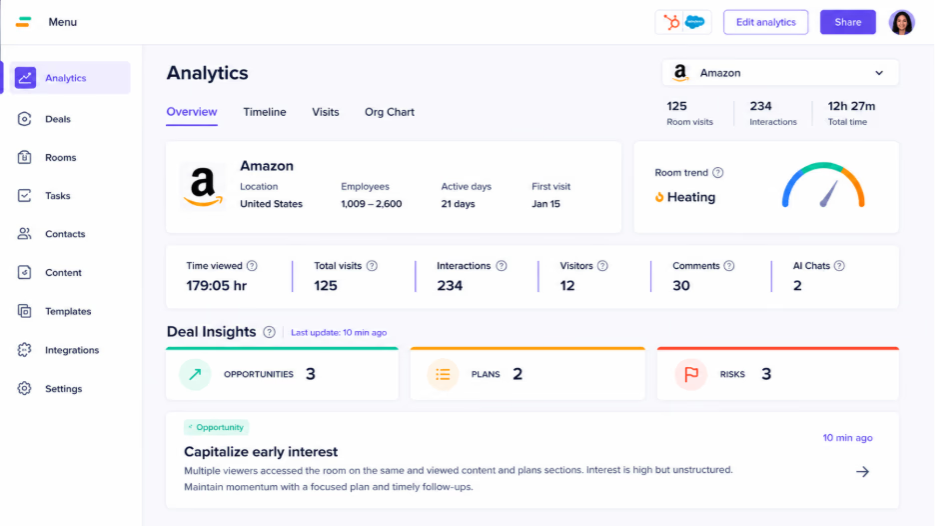
- Engagement analytics that surface stakeholder activity and blind spots
- Customizable templates for faster room setup
- CRM sync to keep deal data connected without manual logging
Aligned is known for quick setup and a clean, simple interface. It brings stakeholders, documents, and tasks together in a straightforward room without a steep learning curve, which makes it a strong fit for teams that want to get moving fast without heavy onboarding.
2. Projetly
G2 rating: 4.8 out of 5
Key features:
- Dedicated digital sales room workspace created for each deal
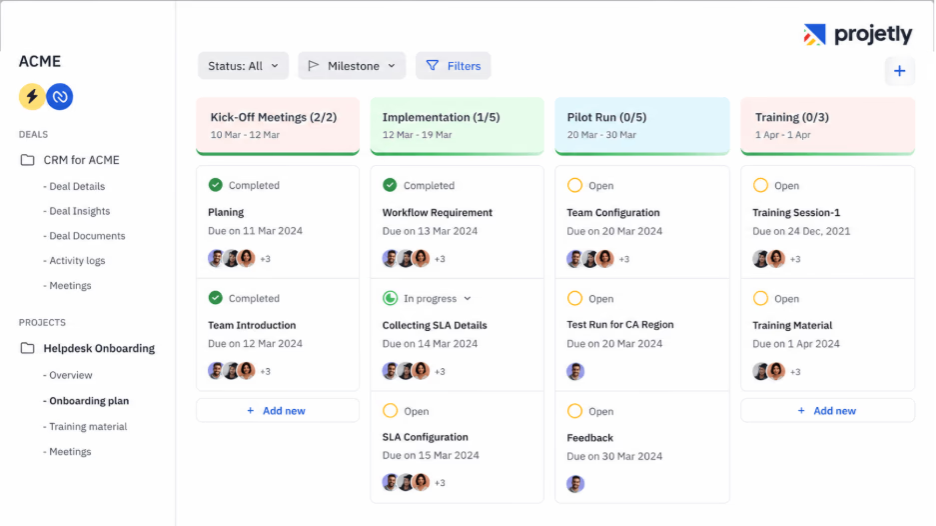
- Structured collaboration on proposals, documents, timelines, and shared tasks
- Buyer engagement tracking with activity visibility and interaction insights
- AI-powered meeting summaries, follow-ups, and action item suggestions
- Automatic transfer of deal context and documents into the onboarding project once a deal closes
Projetly stands out for closing the gap between selling and onboarding. Rather than treating the DSR as a tool that gets abandoned at signature, it carries the room’s content, conversations, and engagement history straight into the customer onboarding workspace, which removes the manual handoff that usually happens between sales and delivery teams. This lines up directly with the mutual action plan benefit above, since the same timeline buyers see pre-sale continues into implementation.
3. Trumpet
G2 rating: 4.7 out of 5
Key features:
- Branded, interactive microsites called Pods
- Video, notes, and document collaboration in one trackable space
- AI-powered GTM workspace spanning outreach through onboarding
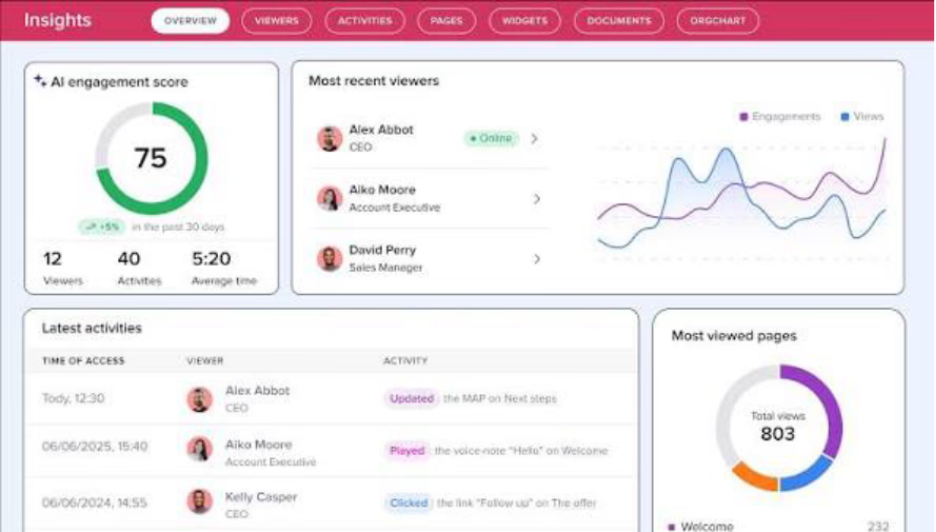
- Buyer engagement tracking and activity insights
Trumpet builds branded, interactive spaces it calls Pods, where sellers and buyers collaborate through notes, video, and shared documents in one trackable environment. It leans toward a more visual, engaging buyer experience compared to a plain document repository.
4. GetAccept
G2 rating: 4.6 out of 5
Key features:
- Combined deal room, proposal creation, and e-signature in one flow
- Native Salesforce integration
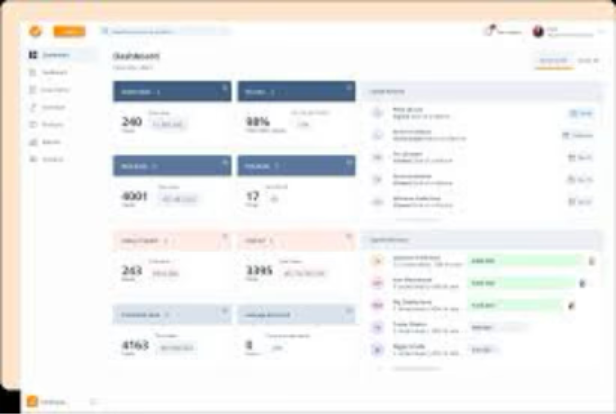
- Real-time engagement tracking
- Contract and deal room templates with customization options
GetAccept combines a digital deal room with proposal creation and e-signature in a single flow, which cuts down the number of separate tools a rep needs to touch between an initial proposal and a signed contract.
5. Dock
G2 rating: 4.6 out of 5
Key features:
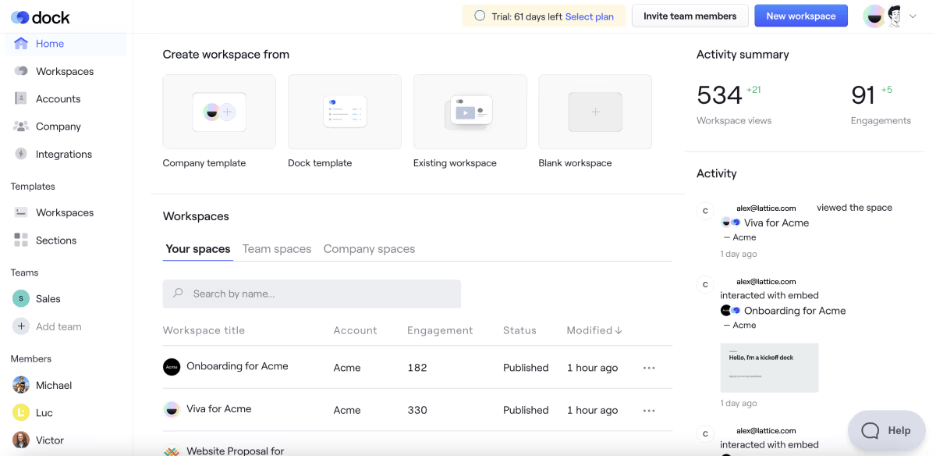
- Single portal spanning the full customer lifecycle, from sales through onboarding and renewals
- Support for embedding Loom, YouTube, Figma, Google Slides, and Typeform content
- Content analytics synced directly to the CRM
- Mutual action plans and shared next steps
Dock focuses on giving revenue teams a flexible workspace that covers the full customer lifecycle, from the sales process through onboarding and renewals, rather than treating the DSR as a tool only for the pre-signature stage of a deal.
Choosing the Right Platform for Your Team
Point solutions like Aligned and Trumpet move fast, are easy to deploy, and suit smaller or mid-size teams that mainly need a clean shared space for a deal. Larger suites like Highspot, Seismic, or Mindtickle make more sense for enterprise teams already invested in content governance and rep coaching, where linking buyer engagement data back into training programs is a priority.
Before committing, look closely at CRM sync, since a one way integration means engagement data has to be logged manually. Check how easily buyers can invite additional stakeholders without needing to create accounts. And weigh how much of your existing content library the platform can absorb without a heavy migration effort. The FAQ below covers a few of the most common questions that come up during this stage.
FAQ
What is the difference between a digital sales room and a data room?
A data room is typically a static, secure repository used for one-way document sharing, often during due diligence. A digital sales room is interactive and persistent, built for two-way collaboration, engagement tracking, and mutual action plans throughout an active deal, not just document storage.
How much does a digital sales room cost?
No single platform wins on every dimension. Projetly and Flowla lead on sales-to-onboarding continuity, while Aligned and Trumpet lead on polish and stakeholder visibility, with Aligned starting at $29 per seat/month and Trumpet starting at $45 per user/month. Recapped and Arrows lead for methodology-led and CRM-native teams, respectively.
Do digital sales rooms integrate with CRM systems like Salesforce or HubSpot?
Most established DSR platforms offer native or bidirectional CRM integration, syncing engagement signals like views and time spent directly into deal records. A one way sync means someone still must log activity manually, so it is worth confirming which direction the data flows before choosing a platform.
Are digital sales rooms only for enterprise sales teams?
No. Point solutions such as Aligned, Trumpet, and Projetly are built for fast setup and work well for small and mid-size teams, while larger suites like Highspot, Seismic, and Mindtickle are aimed at enterprise teams that need heavier governance and coaching tied to engagement data.
How do digital sales rooms improve win rates?
They give buyers a self-serve space to revisit content and build internal consensus, they surface engagement data that tells reps exactly where a deal is stalling, and mutual action plans keep both sides accountable to the same timeline. Together, these reduce the friction and lost context that usually slow a deal down between calls.
Final Thoughts
A digital sales room will not fix a weak sales process on its own, but for a solid process, it removes a surprising amount of friction that has quietly been costing deals for years.
